Privaatne AI tervishoius
Kliiniline dokumentatsioon, triaaž ja uurimisassistendid — ilma patsiendiandmete hoone lahkumiseta.

Tehisintellekt kujundab tervishoidu kiiresti ümber — alates viisist, kuidas kliinitsistid kohtumisi dokumenteerivad, kuni selleni, kuidas uurijad tuhandete kirjete mustrite seast otsivad. Kuid iga paljulubav kasutusjuhtum kannab fundamentaalset pinget: patsiendiandmed on ühed tundlikemad andmed, mis on olemas, alludes GDPR-ile, riiklikele tervishoiuandmete eeskirjadele ja sügavatele eetilistele kohustusele. Vastus ei ole oodata, kuni regulaatorid järele jõuavad, ega aktsepteerida pilve AI privaatsusriske. Lahendus on käitada võimelisi mudeleid infrastruktuuril, mida organisatsioon kontrollib. Seda võimaldab Privonis: privaatne, kohapealne AI, mis toob kliinilise intelligentsi hooldusmeeskondade sõrmeotstesse ilma, et ükski andmed hoone piirist lahkuksid.
Kus AI loob kliinilises keskkonnas kõige rohkem väärtust
Tänapäeva kõrgeima mõjuga kasutusjuhtumid ei puuduta kliinitsistide asendamist — need puudutavad haldusliku hõõrdumise eemaldamist, mis tarbib tunde nende päevast. Neli valdkonda paistavad järjepidevalt silma haiglate ja tervisetehnoloogia idufirmade üleselt.
- Kliiniliste märkuste loomine: konsultatsiooni salvestiste või struktureeritud sisendite muutmine SOAP märkuste, haiglast väljakirjutamise kokkuvõtete ja saatekirjadeks — dokumenteerimisaja vähendamine 40–60%.
- Meditsiiniliste koodide määramise abi: ICD-10 ja protseduurikoodide soovitamine kliinilisest narratiivist, arveldustsüklite kiirendamine ja auditi riski vähendamine.
- Patsiendi küsimuste vastamine ja triaaži tugi: vestluslikud liidesed, mis koguvad sümptomite ajaloo enne konsultatsiooni või juhivad patsiente haiglast väljakirjutamise juhiste kaudu, märkides töötajatele eskaleerimise käivitajad.
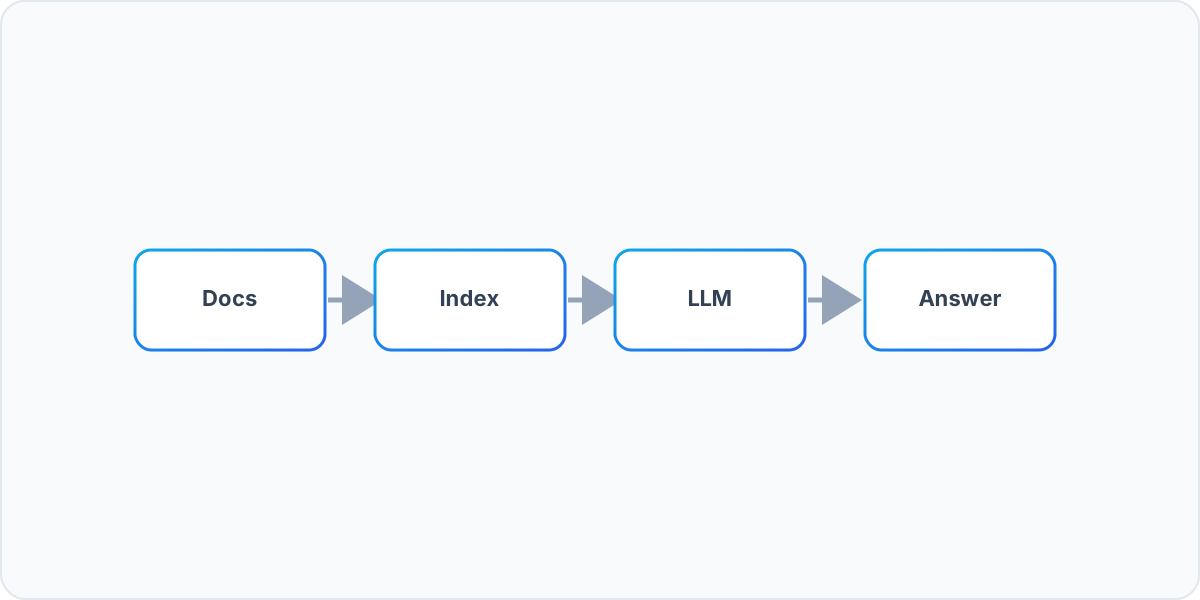
- Uurimis- ja kirjanduse abi: RAG-põhine otsing sisemiste kliiniliste andmete, avaldatud uuringute ja ravimite üle, pakkudes asjakohaste tõendeid vajaduse kohas.
Miks kohapealne ei ole vabatahtlik — see on kohustuslik
GDPR artikkel 9 kohaselt on tervisandmed erikategooria, mis nõuab mis tahes töötlemiseks sõnaselget õiguslikku alust. Tuvastatavate patsiendiandmete saatmine kolmanda osapoole pilve mudelile — isegi andmetöötluslepinguga — toob kaasa jurisdiktsiooni riski, potentsiaalsed kolmandate riikide ülekandmised ja kontrolleri kaotus võimaluse üle auditeerida täpselt, mis nende andmetega toimub. Mitmed Euroopa andmekaitseasutused on juba uurinud pilve AI paigaldusi tervishoiukontekstides. Kohapealne paigaldamine mööndab neid probleeme puhtalt: mudel ei puutu kunagi avaliku internetiga, järeldus toimub riistvaral, mida organisatsioon omab või haldab, ja auditilogi jäävad kohapeale.
Täpsus, järelevalve ja "mitte meditsiiniline nõuanne" piir
Privaatne paigaldamine ei muuda mudelit eksimatuks. Kliinilist AI-d tuleb positsioneerida otsuste toetusena, mitte otsuste tegijana. Praktikas tähendab see, et iga AI loodud väljund — mustandmärkus, koodi soovitus, triaaži soovitus — on üle vaadatud ja kinnitatud kvalifitseeritud spetsialisti poolt enne patsiendihoolduse mõjutamist. Privonise paigaldamised sisaldavad konfigureeritavaid usaldavuse lävendi, tsitaatide esitlemist usaldusväärsetest allikatest ja struktureeritud inimene-silmuses töövoogusid. Tehnoloogia võimendab asjatundlikkust; see ei asenda seda. Miski selles artiklis ei kujuta meditsiinilist nõuannet ja organisatsioonid, kes paigaldavad AI-d kliinilises kontekstis, peavad läbi viima oma kliinilise valideerimise ja regulatiivse hindamise.
Eesmärk ei ole kliinilist hinnangut automatiseerida — see on anda kliinitsistidele aeg seda teostada.
Vastavuse kontrollpunktid enne kasutuselevõttu
- Andmekaitsemõju hindamine (DPIA), mis hõlmab konkreetset mudelit, andmevoogusid ja säilituspoliitikat.
- Rolli põhised juurdepääsukontrollid, mis tagavad, et ainult volitatud töötajad suhtlevad tuvastatavate andmetega seotud AI väljunditega.
- Mudeli versioneerimine ja auditilogi, et iga järeldust saaks hiljem jälgida ja üle vaadata.
- Selge patsiendile suunatud teave, kui AI-d kasutatakse mis tahes patsiendile suunatud suhtluses.
- Pidev jälgimine mudeli kallutatuse osas, kuna kliinilised keeled ja kodeerimise standardid arenevad.
Illustreeriv näide: keskmise suurusega Euroopa haigla
Mõelge 400-voodiline haiglale onkoloogia, kardioloogia ja ortopeedia eriosakondadega. Kliinitsistid veedavad keskmiselt kaks tundi vahetuses dokumenteerimisel. IT osakonnas on kohapealne GPU klaster, mida kasutatakse peamiselt kujutise töökoormusele ja mis on väljaspool tippkoormust saadaval. Privonis paigaldab peenhäälestatud keelemudelit koos RAG indeksiga haigla kliiniliste juhiste ja ravimite üle. Esimese kuu jooksul langeb dokumenteerimisaeg pooleks; kodeerimise täpsus paraneb mõõdetavalt; uurimismeeskond saab kirjanduse assistendi, kes otsib nii PubMedi kui sisemisi juhtumite andmeid ilma, et ükski andmed haigla võrgust lahkuksid. DPO kiidab heaks, kuna DPIA näitab nullist välise andmeedastust. Töötajate kasutuselevõtt on kõrge, kuna tööriist integreerib olemasolevasse EPR-töövoogu mitte eraldi liidest nõudes.
Alustamine Privonisega tervishoius
Igal tervishoiuorganisatsioonil on erinev lähtepunkt — erinevad EPR süsteemid, erinev infrastruktuuri küpsus, erinevad regulatiivsed suhted. Privonis alustab piiritletud avastussessiooniga: kõrgeima väärtusega kasutusjuhtumite kaardistamine, olemasoleva riistvara hindamine, andmehalduse positsiooni ülevaatamine ja etapiviisilise paigalduse kava kirjeldamine. Tulemus on paigaldus, mis on kasulik esimesest päevast ja laiendatav vajaduste kasvades — täielikult organisatsiooni enda seinte sees, täielikult tema enda kontrolli all.
Räägime teie TI projektist
Broneeri kõne

